星际迷航2
Australia's defense‑funded report hypes risks to subsea cables to 'serve military goals'_我的网站

A | 8月份以来,国内焦炭价格呈现连续上行走势,累计最大涨幅已突破20%。
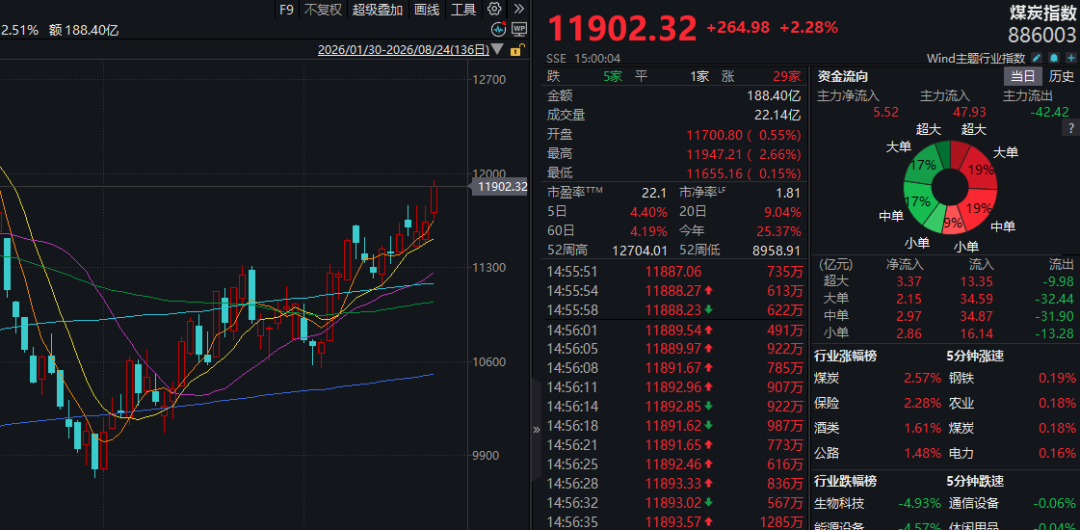
8月24日下午收盘,国内期货市场焦炭主力合约报收2152.5元/吨,单日涨幅近3%,盘中最高达2185元/吨,月内最大涨幅超过22%。A股市场上,8月24日煤炭板块走势整体偏强。
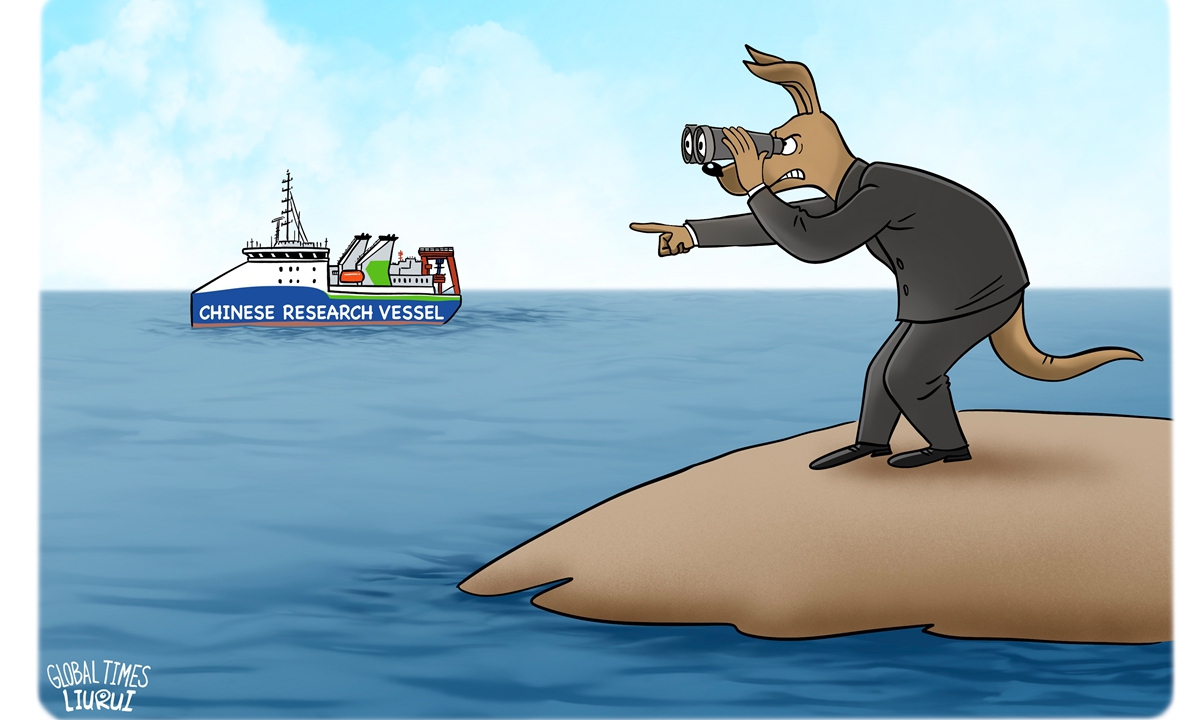
Published by the National Security College at the Australian National University (ANU), the paper claimed recent damage to cables in the Baltic Sea and around China's Taiwan region suggests "state actors are now actively probing and testing cable infrastructure in peacetime as part of broader hybrid warfare strategies" to rapidly degrade connectivity at the outset of a conflict, The Australian reported.
The paper claimed 16 privately owned subsea cables that carry 99 percent of Australia's internet traffic are a "high priority target" for Australia's adversaries that could be severed in a conflict, threatening the nation's economy and social fabric, according to The Australian.
The report singled out China and Russia for blame, saying that there have been multiple apparent attacks on submarine cables in recent years in European waters as well as near China's Taiwan region, suspected to be linked to Russia and China, the Straits Times reported.
However, the report cites a 2025 voyage by Chinese research vessel Tan Suo Yi Hao along Australia's western and southern coastlines as evidence to back its claim that "potential adversaries are actively gathering information about Australia's cable infrastructure."
This report, relying on the routine scientific operations of a Chinese research vessel in 2025 to level allegations of offensive actions against China, and employing ambiguous terminology such as "suspected" and "potential," demonstrates Australia's evidentiary leap, Chen Hong, director of the Australian Studies Center of East China Normal University, told the Global Times on Monday.
This erroneous claim was refuted by the Chinese Foreign Ministry at the time. Chinese Foreign Ministry spokesperson Guo Jiakun said on March 31, 2025 that China carries out normal activities at sea in accordance with international law, including UNCLOS.
"We hope Australia will have a right understanding of this and stop the groundless suspicion and speculations," Guo added.
This is not the first time certain Australian politicians has leveled baseless accusations of China intending to sabotage its undersea cables. Back in May, Defense Minister Richard Marles claimed during the Shangri-La Dialogue that China ought to boost transparency around its maritime operations. He also asserted that a surge in damage to subsea cables had transformed the seabed into a "battlefield," per The Australian.
Chen said Australian side's scaremongering is tied to its predictive threat‑perception framework forged in recent years. This framework designates China and other countries as strategic competitors in advance, subsequently forces routine scientific activities into a confrontational framework, Chen said.
Apart from unfounded allegations against China, the paper claims Australia's defense military "must incorporate the defense of submarine cable infrastructure into its operational planning," according to The Australian.
It added the government should also consider up¬grading an auxiliary ship operated by the navy, ADV Guidance, to enable it to repair damaged cables.
The vast majority of submarine cable damages are caused by accidental factors such as fishing operations and vessel anchoring, rather than deliberate sabotage. For suspected cases of intentional damage, independent technical investigation bodies should be established, and the principle of "investigate first, characterize later" should be strictly applied, so as to prevent ordinary maritime accidents from escalating into diplomatic conflicts, Chen said.
The core problem of Australian side's submarine cable security lies entirely with itself. Instead of addressing its own infrastructure shortcomings and improving its domestic protection and maintenance systems, the Australian side has chosen to continually exaggerate external threats and stoke bloc confrontation, the expert added.
Chen said that by fabricating alleged Chinese threats, Australian side seeks to "rationalize" its military spending increases and underwater force expansion. The submarine digital infrastructure originally meant to serve global development has been labeled along us versus them lines, and this constitutes the biggest hidden danger, he added.
。截至下午收盘,Wind煤炭指数涨2.28%,个股中大有能源、上海能源、美锦能源悉数涨停,新集能源涨超8%、昊华能源涨超6%。
 现货市场上,据卓创资讯数据,7月份钢铁行业需求季节性转弱,终端负反馈加剧传导,焦炭价格阶段性回落,焦化厂、钢厂焦炭库存增至高位。但8月份焦煤供应恢复仍不及预期,在铁水产量止跌回升,终端需求趋于好转情况下,焦煤价格再次强势上涨,焦化厂亏损加剧,减产、检修情况增加,焦炭供需收紧,社会库存高位回落,焦炭供需基本面改善。 8月初焦炭价格第三轮提降落地,累计下调150元/吨至165元/吨,降幅8.27%。随后由于原料端焦煤价格未降反升,导致焦化厂亏损加剧,开工意向明显下滑,焦炭供应收缩,库存高位回落。截至8月21日,山西吕梁S<1主焦煤市场均价收于2200元/吨,累计上涨325元/吨,涨幅17.33%,同比涨54.39%。 “由于焦煤供应偏紧,市场采购积极,价格持续偏强,成本端强势拉涨,终端需求持续偏弱,多空博弈下,钢厂延迟接受焦炭首轮提涨。8月24日起焦炭价格整体上调50元/吨至55元/吨。”卓创资讯分析师刘璐璐表示,随着焦煤涨幅扩大,入炉煤成本持续攀升,焦化厂亏损压力不断增加,山西顶装焦开工负荷多数降至6成至7成,捣固焦企开工负荷集中于8成,焦炭供应量明显收缩。而在需求端,煤焦货紧价高预期下,钢厂采购积极性明显提升,催货情况较多,投机贸易需求也有增加,钢厂焦炭库存小幅下滑。
B | 成本端,焦煤价格维持涨势,焦炭入炉煤成本仍在上涨,成本端支撑强劲。 “焦煤供给刚性收缩,焦企深度亏损倒逼焦炭提涨,是本轮焦炭价格上行的根本原因。山西瘦主焦、低硫主焦核心产区安全检查持续从严,叠加零星安全事故扰动,大量停产矿井复产进度不及预期,部分矿井阶段性反复停产,炼焦精煤增量释放受限。

C | ”上海钢联焦炭行业分析师张磊表示。 刘璐璐给出的数据也显示,8月份焦化厂自主减产、检修情况不断增加,焦化整体开工负荷呈下滑趋势。

D | 截至8月20日,全国主流独立焦企开工负荷71.44%,较上月均值降3.6个百分点。

E | 根据卓创资讯调研了解,目前山西多数焦化厂限产20%—30%,整体开工负荷集中在7-—8成,部分顶装焦化厂开工负荷降至6成左右,焦炭供应收缩明显。最新焦化厂焦炭库存可用天数降至1.52天,较月初下降0.55天,降幅26.19%。 对于焦炭后市,刘璐璐认为,山西停产焦煤矿井复产进程缓慢,焦煤供应紧张格局难有改善,价格易涨难跌,焦化厂开工负荷难有提升,焦炭供应增量难度较大;下游高炉检修有集中复产预期,钢材需求季节性好转,铁水产量将有明显回升,支撑焦炭消耗增加,焦炭供强需弱局面将逐渐扭转,供需明显收紧。在消耗增量、焦炭供应收缩情况下,钢厂增库难度较大,焦化厂前期积累库存将明显消化,焦炭整体社会库存下滑为主。基于9月份焦炭供需关系明显收紧,叠加原料成本端偏强预期,预计9月份焦炭价格偏强运行为主。 张磊则认为,焦炭首轮提涨由焦煤供给收紧、焦企深度亏损共同驱动。当前焦炭供应边际收缩、焦企库存去化是直接推手;钢厂盈利偏弱压制提涨多轮落地空间。首轮提涨落地存在博弈,中性预期有效落地1轮至2轮。后期需持续跟踪山西炼焦煤复产放量、蒙煤通关数据、高炉复产、检修节奏、钢材成交及钢厂利润修复情况。 (文章来源:证券时报)。
Current article:http://9ze.suilaoheirenzhaizhaikang.sbs/68r/3fy07d.html
Published on:00:10:38
 第八号当铺
第八号当铺 模范秘书
模范秘书 留守儿童
留守儿童 文化大观园
文化大观园 一拳超人
一拳超人 纵情快感
纵情快感 家事
家事 凤凰男
凤凰男


